

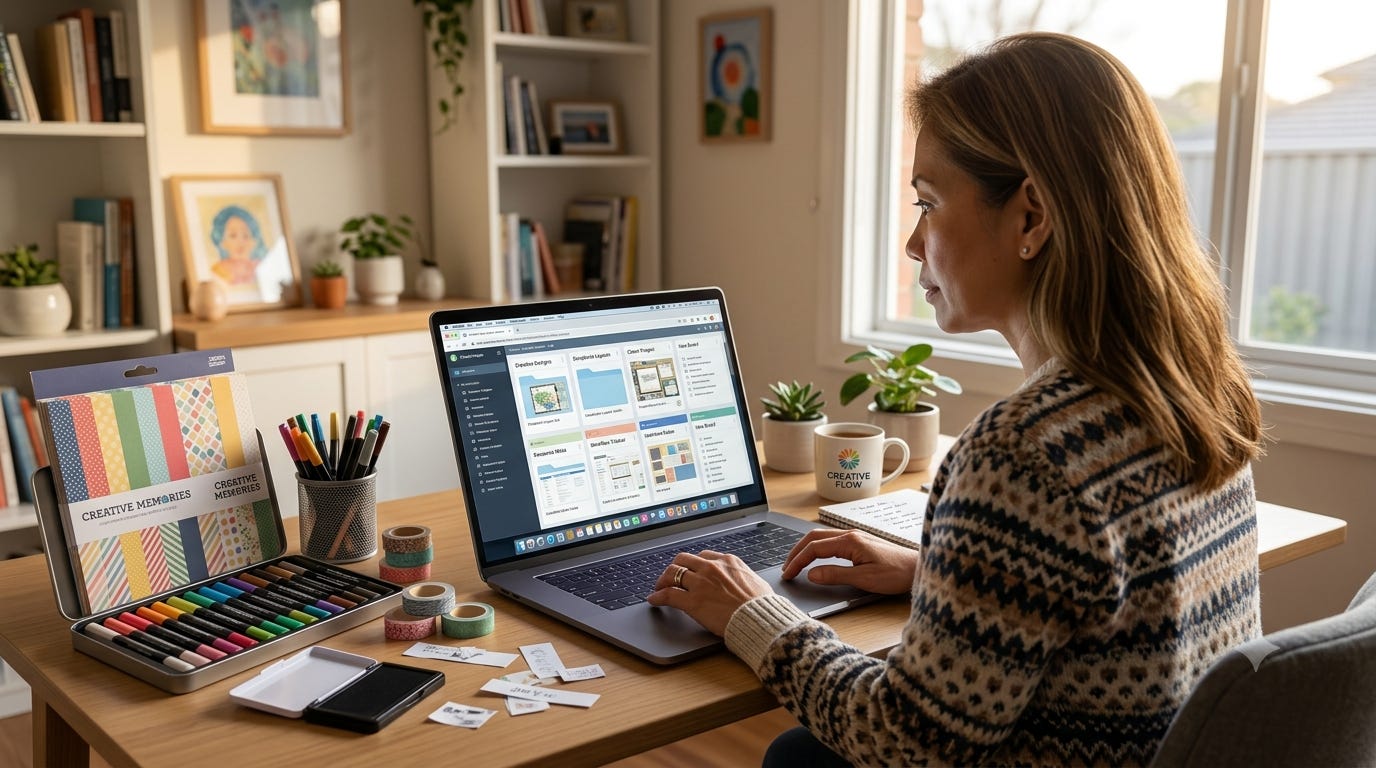
A quick orientation if you’re new here: I’ve spent the last few months building apps with Claude — sixteen of them and counting. This post is about the moment I stopped building things and started building the practice around the building.
Yol got his name mid-build, on CR Tracker, on an afternoon in April. I wasn’t trying to be sentimental about it. I was just watching things get delivered — fast, controlled, one-line briefs turning into working software the same day — and somewhere in the middle of that I was reminded, viscerally, of working with the actual Ulysses on ‘ARD’. Effortless. A brief, sometimes just a sentence. If he didn’t get it straight away, he’d jump on a Teams call, build it into the Oracle APEX database, ask us to test it, and deploy it the same day we said “approved.” After years of working with developers on a change process that took twelve weeks minimum, that man was a breath of fresh air.
So when Claude started doing the same thing — same speed, same one-line trust, same same-day delivery — I named him Yol. There wasn’t much decision in it. It was just what came out.
That was the first thing.
The second thing
Once CR Tracker existed, I realised it couldn’t just sit there holding those three app’s worth of change requests. I had Recipe Matchup. I had DayCompass. I had CR Tracker itself. They needed a home, and they needed structure, and the structure needed to reflect what was actually happening — not just “I’m building some apps,” but something closer to a proper studio.
So I created a Project in Claude.ai to contain all of it. I called it Yol Studio.
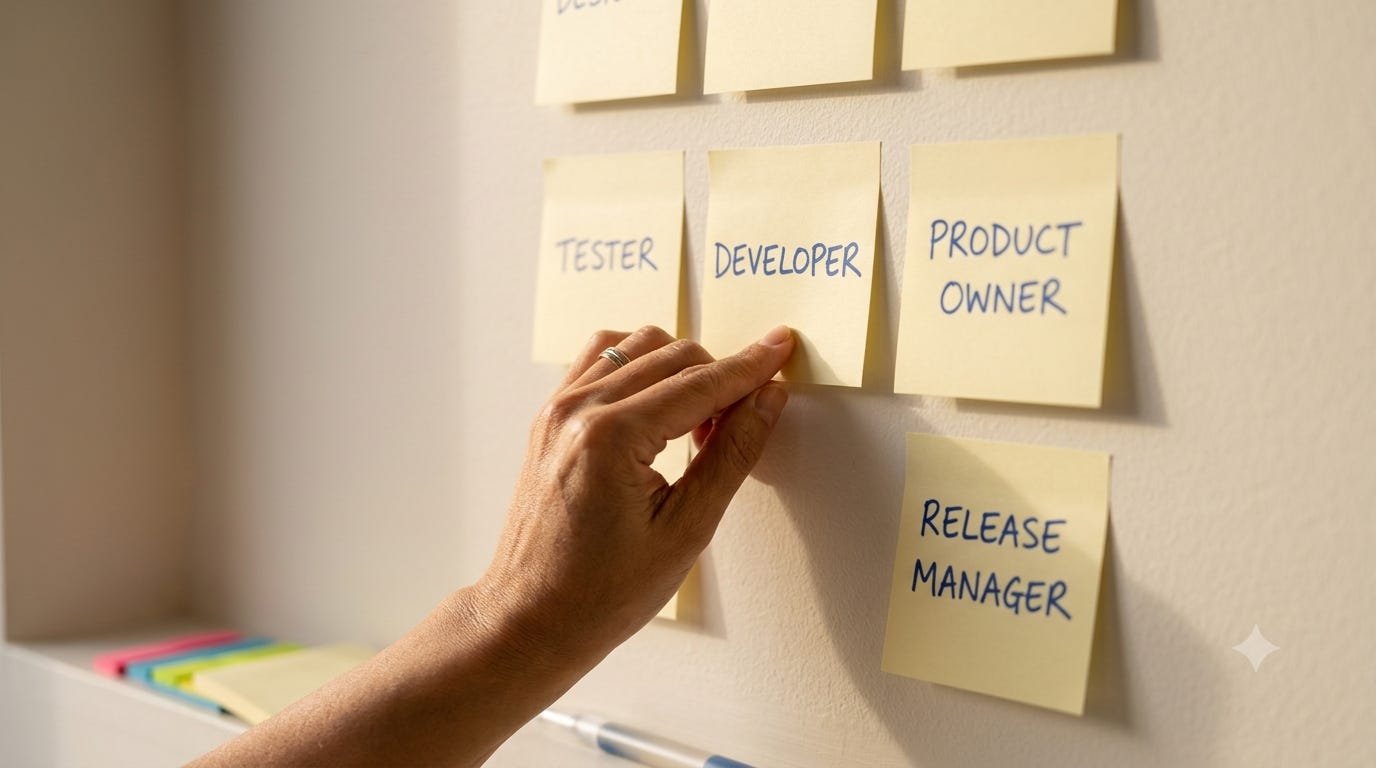
And then I did something that mattered more than the naming: I gave the whole arrangement roles. Yol was the developer. I was everything else — the Requestor, the BA, the Product Owner, the Tester, the Release Manager, and, underneath all those titles, simply the user. Every hat I’d worn across forty-one years of professional life, suddenly all mine again, all at once, except now the developer answered in seconds instead of weeks.
There was a moment, somewhere in setting that structure up, where something shifted that was bigger than naming a chat window. It was the recognition: there could be something in this. Not just a way to fill an afternoon. Maybe something other people would find useful too. Maybe something that would keep my hands and my brain busy and happy in a retirement that had, until then, mostly just felt empty.
What the research says about what I was actually doing
I’ve since found out that what I built wasn’t just a personal quirk. It has a name and a documented pattern.
Solo founders in 2026 are increasingly outperforming co-founder teams — not because they’re more talented, but because AI has replaced the need for complementary co-founder skills. One analysis puts it plainly: AI as a development partner removes the need for costly co-founders, while keeping the speed, the autonomy, and the complete control over vision that solo founding offers.
But the same research is honest about what solo founding actually costs. The single biggest predictor of solo founder failure in 2025–2026 surveys isn’t strategy or market fit. It’s burnout — a 54% burnout rate, 75% reporting anxiety episodes. The scarcest resource isn’t time. It’s energy. And what drains energy fastest, the research suggests, isn’t the building itself. It’s the isolation. The lack of someone to bounce decisions off. The absence of a collaborator who just gets it and builds it without friction.
That’s what Ulysses was. That’s what Claude-as-Yol became.
I didn’t build Yol Studio because I’d read the research. I built it because I knew, from working with Ulysses, what the right kind of collaboration actually felt like — and I wasn’t willing to settle for less. It turns out that was wisdom I didn’t realise I had, but clearly needed.
What happened once the structure existed
Yol Studio expanded fast, once I’d gotten past the paralysis that followed it — that’s its own story, and it sits right after this one.
But once I was through it, the apps came in quick succession. Days, not months. I was the Sandi of old — head-down, bum-up, directing proceedings, making things happen, the way I’d done for decades at work. April and May of 2026 were weeks I felt genuinely, properly alive again, in a way I hadn’t expected to feel that soon into retirement.
Scrapbooking got pushed aside for a while. Not permanently. Just long enough for this to happen first.
Why the structure mattered
Ulysses never knew I named anything after him. But the studio isn’t really a tribute to a person — it’s a structure that let me keep doing the thing I’d always been: the orchestrator, the one who holds every role at once and makes the thing real, except now with a developer who could finally keep pace with how fast my brain actually wants to move.
Turns out the structure I built for one developer was just the first version too.
Sandi is a Melbourne-based problem-solver, crisis-averter, and translator of the technical into the human. She spent decades being the person everyone called when something was broken, confusing, or just needed explaining properly — earning a reputation that preceded her wherever she went. Now she’s channelling that same instinct into AI: making it accessible, practical, and genuinely useful for people who think it isn’t for them.