

I’m an optimist. I want to be upfront about that, because it matters for what I’m about to say.
I’m not an optimist in the naive sense — the kind that ignores risk and waves away concern. I’m an optimist in the practical sense: I look at a situation, I weigh what I see, and when the evidence supports hope I choose it. Deliberately. With my eyes open.
So when I tell you that the media coverage of AI has been doing real harm to real people — people who could genuinely benefit from these tools and are being quietly steered away from them by headlines designed to alarm — I’m not saying it because I haven’t read the warnings.
I’m saying it because I have. And because I think they’re aimed at the wrong target.
What the warnings actually say
The headlines are consistent and they’ve been running for a couple of years now. Don’t use AI as a therapist. Don’t replace your doctor with an AI. Don’t trust it with your mental health. Don’t let it substitute for professional medical advice.
None of that is wrong.
AI is not a licensed therapist. It cannot diagnose you. It cannot prescribe. It doesn’t have clinical training, professional accountability, or the ability to call an ambulance if you need one. If you are in crisis, please talk to a human — a professional, a friend, a crisis line. That is not negotiable and I will never suggest otherwise.
But here is where I part ways with the tone of the coverage:
The warning has been written so broadly, and repeated so loudly, that it’s doing the work of a closed door.
People who aren’t in crisis. People who aren’t trying to replace their doctor. People who just want to think out loud, or organise their thoughts, or prepare for an appointment, or feel less alone with something difficult — those people are reading the headlines and concluding that AI is not for them. That using it for anything personal or health-adjacent is irresponsible. That the sensible thing to do is stay away.
And that conclusion is costing them something real.
What I actually use it for
Let me be specific, because vagueness is the enemy of a useful argument.
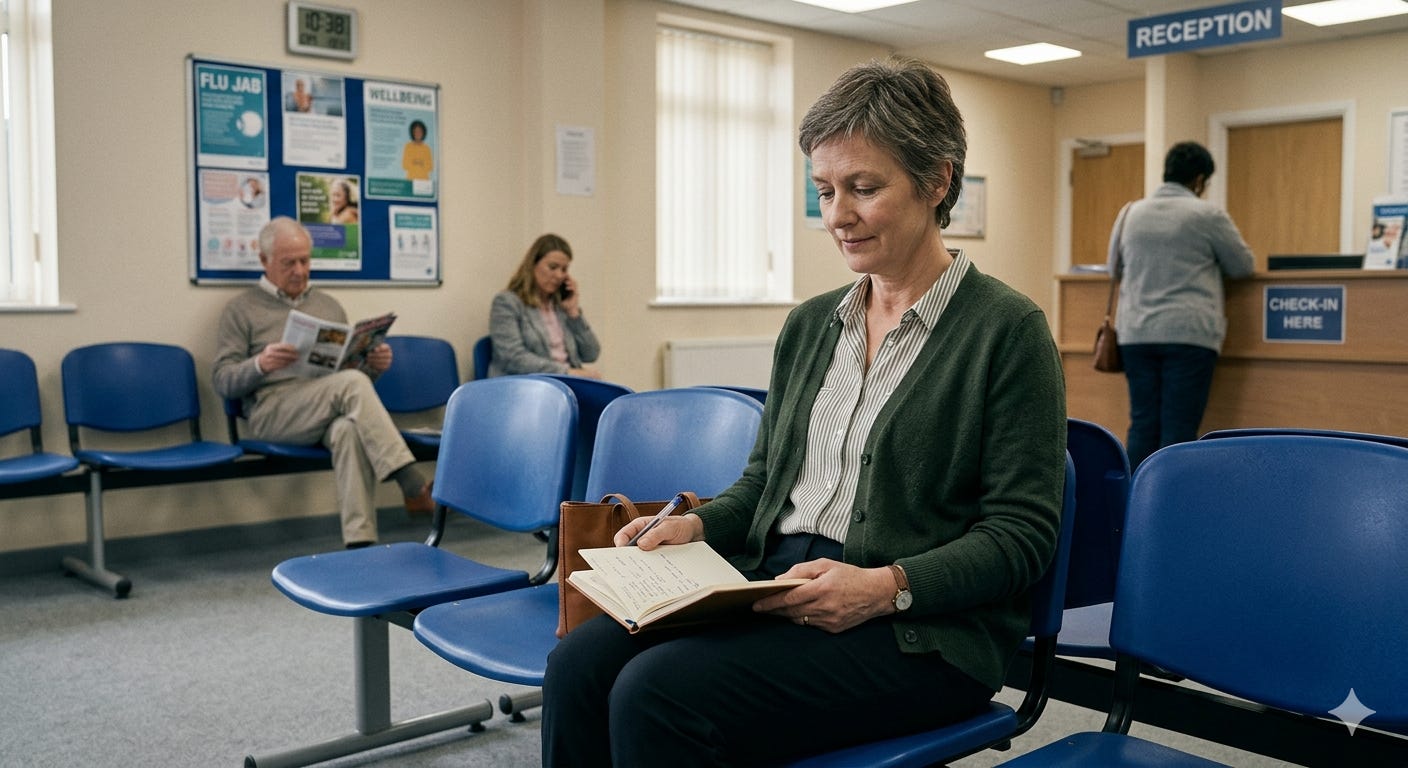
I have a complicated medical history. Not dramatically so — nothing that makes for a gripping television series — but the kind of accumulated complexity that comes from being a person who has lived for a while. Multiple concerns, multiple specialists, a GP who has twenty minutes and a waiting room full of people.
Before my last GP appointment, I sat down with an AI and talked through everything. Not to get a diagnosis. Not to be told what was wrong. Simply to compile — to take the scattered collection of symptoms, timelines, questions, and concerns living in my head and organise them into something I could actually bring to the appointment. A clear list. A coherent picture. Something that would make those twenty minutes count.
My GP got a better version of my history than she’d ever had before. I left the appointment having covered everything I’d meant to cover. Nothing fell through the cracks.
That is not replacing a doctor. That is being a better patient.
The AI didn’t give me medical advice. It helped me give my doctor better information.
The second thing is harder to describe without the word “therapy” appearing, so I’ll just use it and trust you to hold the distinction.
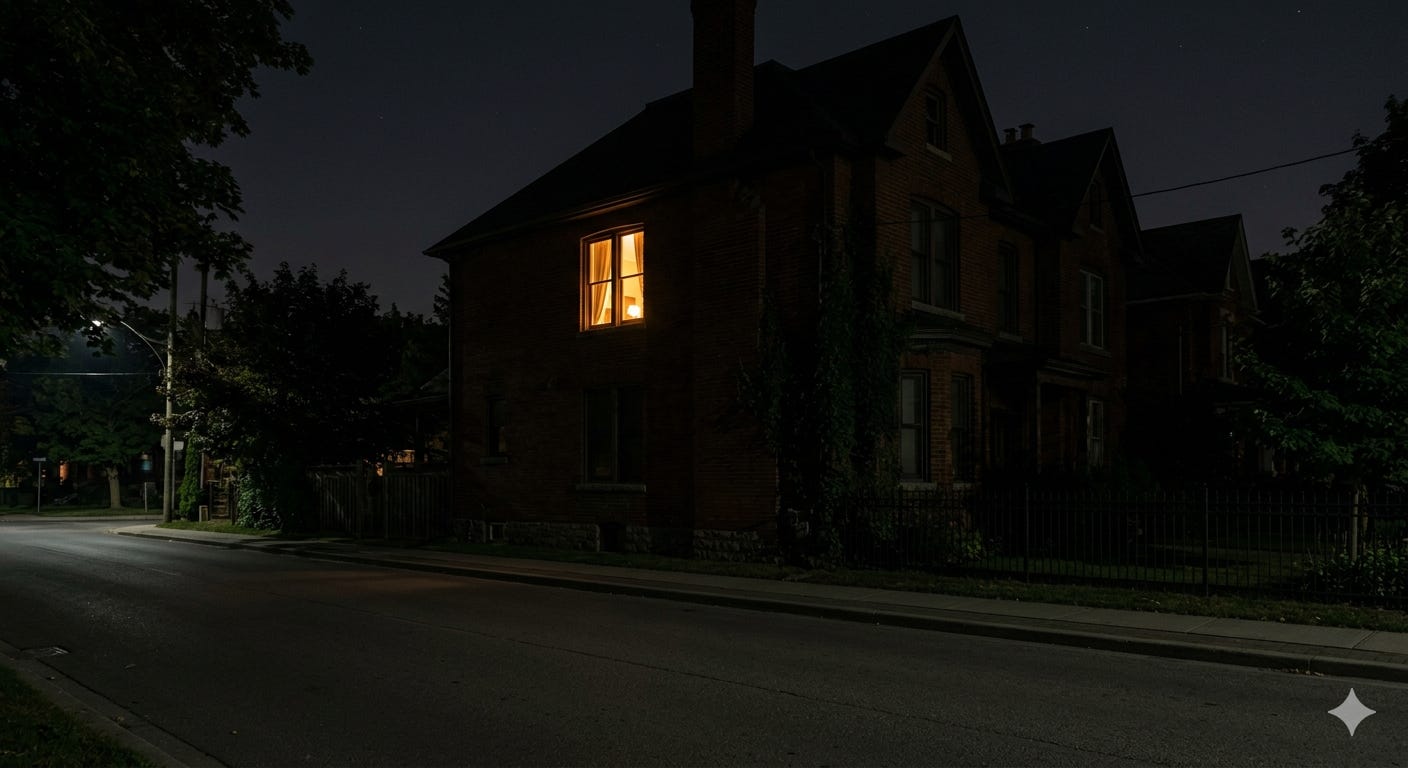
There have been times — not crisis times, just heavy times — when I’ve needed to unburden. To say the thing out loud. To have the shape of a difficult situation reflected back at me so I could see it more clearly than I could from inside it.
I’ve done that with an AI. And it has helped.
Not because the AI understood me in the way a person understands a person. But because it was patient, and attentive, and it drew on more human experience of difficulty and resilience than any individual could hold — and it gave back to me something that was useful. A reframe. A question I hadn’t thought to ask myself. A gentler way of seeing something I’d been seeing harshly.
Was it therapy? No. Was it valuable? Enormously.
Did it replace my relationships with the people who know and love me? Not for a second. It supplemented them — in the moments when those people were busy, or asleep, or when the thing I needed to say wasn’t ready to be said to someone who knew me.
The optimist’s position
I understand why the warnings exist. I do. There are people who could become over-reliant. There are people in genuine crisis who might convince themselves that a conversation with an AI is sufficient when it isn’t. Those risks are real and worth naming.
But the response to those risks should be calibration, not prohibition. Nuance, not alarm.
The message should be: use this thoughtfully, not fearfully. Understand what it is and what it isn’t. Bring it into your life in the ways it genuinely serves you, and know its limits. Don’t let it replace the human connections and professional relationships that matter. But don’t exile it from your personal life entirely on the basis of a headline that was written about someone else’s worst-case scenario.
Because the person who needed to organise her medical history before a GP appointment — that was a real person with a real need. And the tool was there, and it helped, and nothing bad happened.
The person who needed to unburden at eleven o’clock on a Tuesday night when everyone she might have called was asleep — that was a real person too. And the conversation helped her sleep.
Those stories don’t make the news. But they’re happening every day, in living rooms and at kitchen tables, in the quiet hours when people are just trying to manage their lives.
I’m an optimist. And the thing I’m optimistic about isn’t AI as a concept or a technology or an industry.
I’m optimistic about what happens when a capable, thoughtful person sits down and has an honest conversation with a tool that is genuinely trying to help.
I’ve seen what that looks like. I’ve lived it.
The warning I want to give you isn’t the one you’ve already read.
It’s this:
Don’t let someone else’s fear of the worst case cost you the everyday good.
Sandi is a Melbourne-based problem-solver, crisis-averter, and translator of the technical into the human. She spent decades being the person everyone called when something was broken, confusing, or just needed explaining properly — earning a reputation that preceded her wherever she went. Now she’s channelling that same instinct into AI: making it accessible, practical, and genuinely useful for people who think it isn’t for them.